
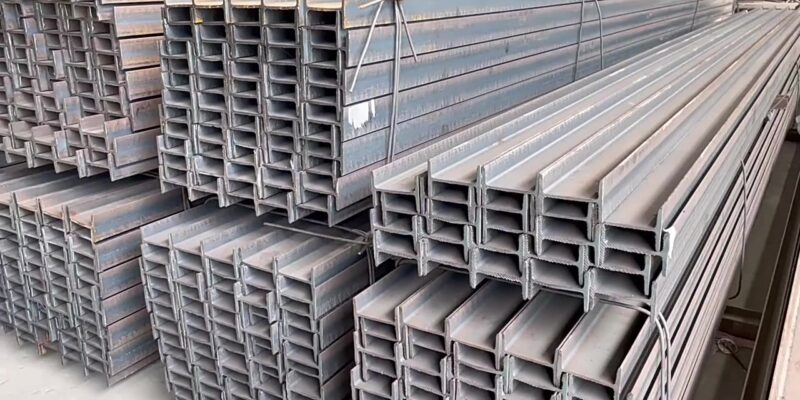
In steel structure projects, selecting the right profile is of great importance for both durability and economic efficiency. Among the widely used steel profile types, HEA, HEB, and IPN profiles stand out.
What is an HEA profile?
HEA profiles are steel sections characterized by wide flanges and a lightweight design. Their flanges—or wing sections—are relatively thin. Despite their light weight, they possess a high load-bearing capacity, making them an economical choice among steel structural profiles. Because they are capable of spanning large distances, we use them in a wide range of applications, from industrial structures to residential projects.
What is an HEB profile?
HEB profiles are heavier and stronger than HEA profiles. They feature greater flange thickness, which enhances their structural strength. These are the key characteristics of HEB profiles. We prefer them in applications requiring high load-bearing capacity, particularly for columns and beams. Consequently, they are recognize as one of the most robust types of steel beams.
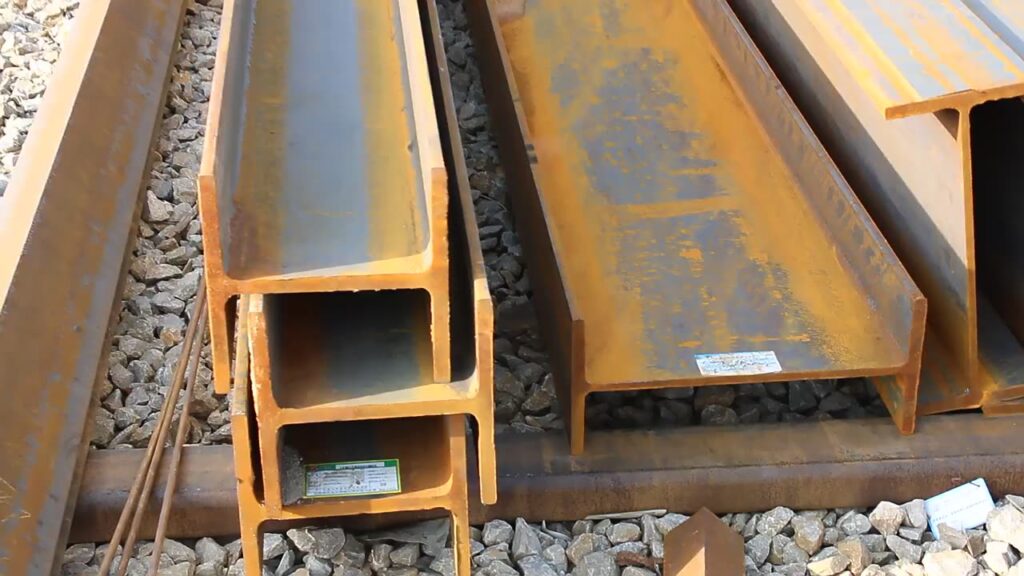
What Is the Difference of the IPN Profiles?
Basically, IPN profiles are classic steel sections with an “I” shape and narrow flanges. Their flanges are thinner and tapered compared to HEA and HEB profiles. Due to their lighter weight and cost-effectiveness, we frequently use them in machine construction, light steel systems, and auxiliary load-bearing structures. Research regarding the specific characteristics of IPN profiles supports these applications.
Comparison of HEA, HEB, and IPN Profiles
- HEA : Wide flange + lightweight structure
- HEB : Wide flange + heavy and high strength
- IPN : Narrow flange + economical and lightweight solution. In general terms, this is how the HEA – HEB – IPN comparison is described.
Areas of Use
- HEA profiles : Roof beams, load-bearing systems
- HEB profiles : Columns, heavy-load main beams
- IPN profiles : Machinery manufacturing, lightweight structures. These details are key considerations regarding the application areas of HEA and HEB profiles.
Selecting the right steel profile depends on the project. Furthermore, accurately comparing these three profile types is critical for achieving high-strength and cost-effective structures.