
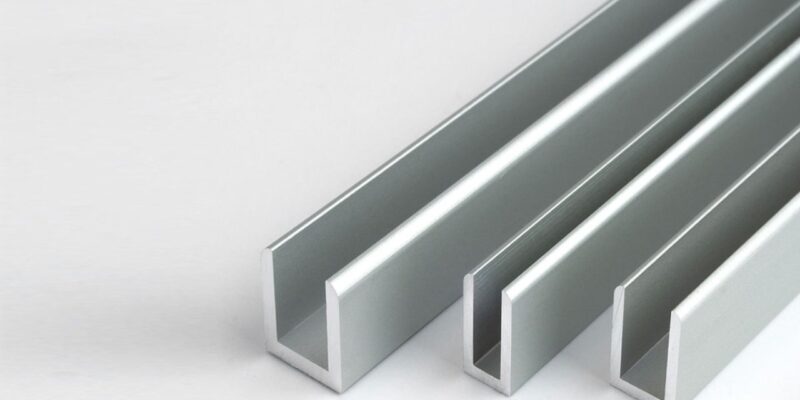
The Versatility and Applications of Cold-Formed Steel Profiles
Cold-formed steel (CFS) profiles represent a crucial cornerstone of modern construction, highly valued by industry professionals for their exceptional durability, cost-effectiveness, and rapid assembly capabilities. With material thicknesses typically ranging between 0.8 mm and 4.0 mm, these precision-engineered components offer outstanding adaptability to diverse environmental conditions. By carefully selecting the appropriate steel grade and protective coatings, engineers guarantee the long-term safety, functionality, and longevity of their structural projects.
Key Advantages of Cold-Formed Steel
Choosing CFS offers distinct operational, economic, and structural benefits:
High Strength-to-Weight Ratio: CFS provides robust structural integrity while remaining remarkably lighter than heavy timber or traditional hot-rolled steel. This significantly reduces transportation logistics and foundation costs.
Dimensional Stability: Unlike organic building materials, steel does not warp, shrink, split, or creep over time, ensuring precise alignments for the lifespan of the building.
Sustainability: Steel is completely recyclable and inherently resistant to pests, rot, and fire.
Global Adaptability: Its lightweight nature makes it highly suitable for efficient international shipping and seamless import operations.
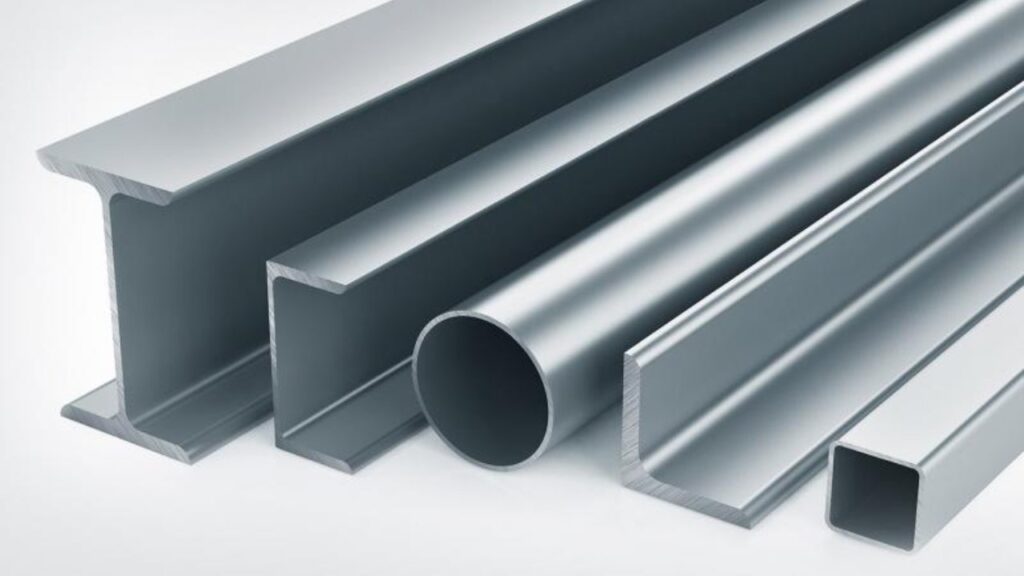
Manufacturing Methods
Production is highly efficient, utilizing advanced machinery for exact mechanical processing:
Press Bending: Steel is shaped using a specialized press machine, with individual corners formed by exact, controlled press blows.
Continuous Roll Forming: Thin plates pass through progressive rollers in fully automatic machines, drastically accelerating the manufacturing timeline.
Versatile Applications
Due to reliable production quality, these profiles are utilized across numerous growing sectors:
Modular and Residential Construction: They are a primary framing material for low-to-mid-rise housing and schools. Furthermore, CFS is absolutely ideal for manufacturing modular steel structures, prefabricated units, and customized equipment containers.
Industrial Facilities: Affordable and highly versatile, cold-formed steel is preferred for constructing short-span commercial warehouses, agricultural greenhouses, and roof truss structures spanning from 30 to 35 meters.
Solar Energy Infrastructure: CFS profiles are highly compatible with demanding atmospheric conditions, serving as a standard, highly durable structural framework for heavy solar panel mounting systems.