
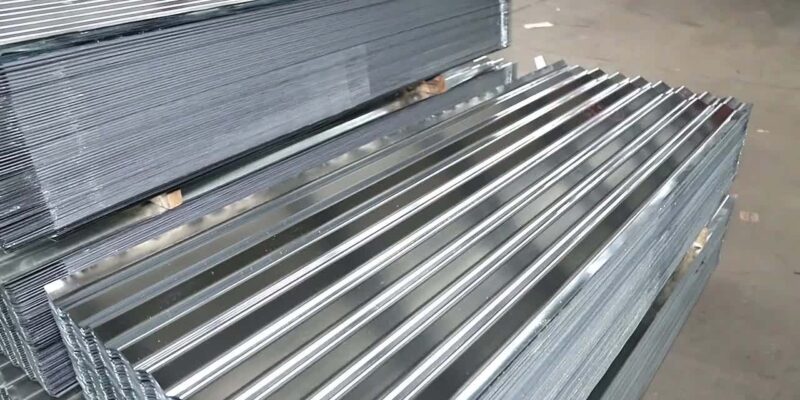
Galvaniz sac kalınlığı

How to Choose Galvanized Steel Thickness?

How to Choose the Right Thickness for Galvanized Steel Sheets

Many builders ask, “How do I choose the right thickness for galvanized steel?” In fact, this is a top research topic for anyone seeking high-quality construction materials. Generally, a thicker coating offers better protection for the metal surface. This is because a thick layer prevents external factors from damaging the steel. However, you must consider several key points before you decide on a thickness.

First, look at the environment. Metal surfaces last much longer with a thick coating in wet or humid areas. For example, you should use thicker coatings near the ocean. Since salt and oxygen cause rust to spread quickly in these spots, the extra protection is vital.

Second, consider the type of metal you are using. You must choose the coating based on the metal’s specific needs. Specifically, tough metals like steel might only need a thin layer. On the other hand, manufacturers often increase the thickness for more delicate metals to keep them strong.

Third, think about the service life of the project. The amount of protection the surface needs depends on how long you want it to last. Consequently, builders prefer thicker coatings for projects that must endure for many years.
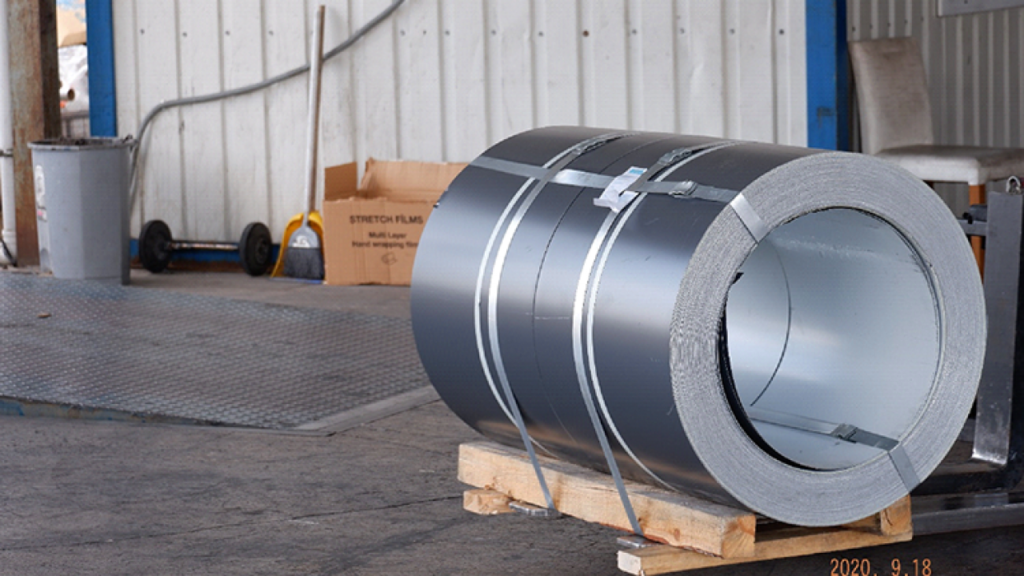
 

galvanized-steel-thickness


Technical Specifications of Galvanized Steel Sheets

Technical specs are vital for your project because they determine how the metal handles the elements. Specifically, the coating thickness and the application type measure how well the steel resists damage. Here are the standard coating levels:

  • Thin Coating (25-50 microns): Builders use this for indoor projects or low-humidity spots. It works best in mild environments.

  • Medium Coating (50-85 microns): This is the most popular choice for outdoor use. Furthermore, it provides solid protection for most standard builds.

  • Coarse Coating (85-100 microns): We call these “thick coatings.” They are necessary for chemical plants and coastal zones that require high protection.

In conclusion, the location determines which sheet you should pick. If you use a thin indoor coating at a coastal site, the structure will weaken and fail quickly. Therefore, you must always match the galvanized sheet to its specific environment to ensure the best results.
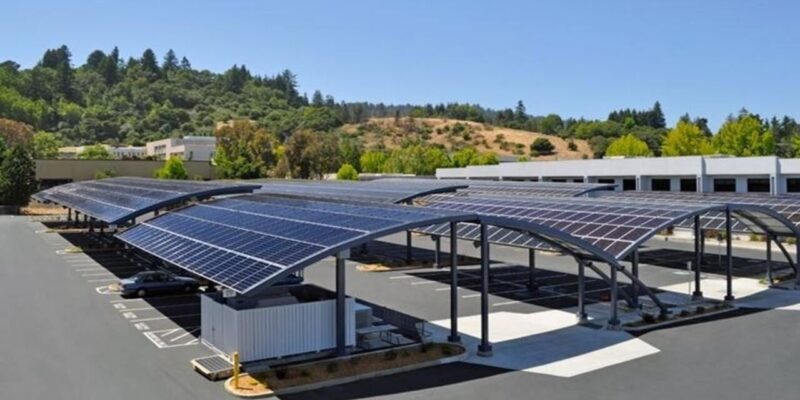
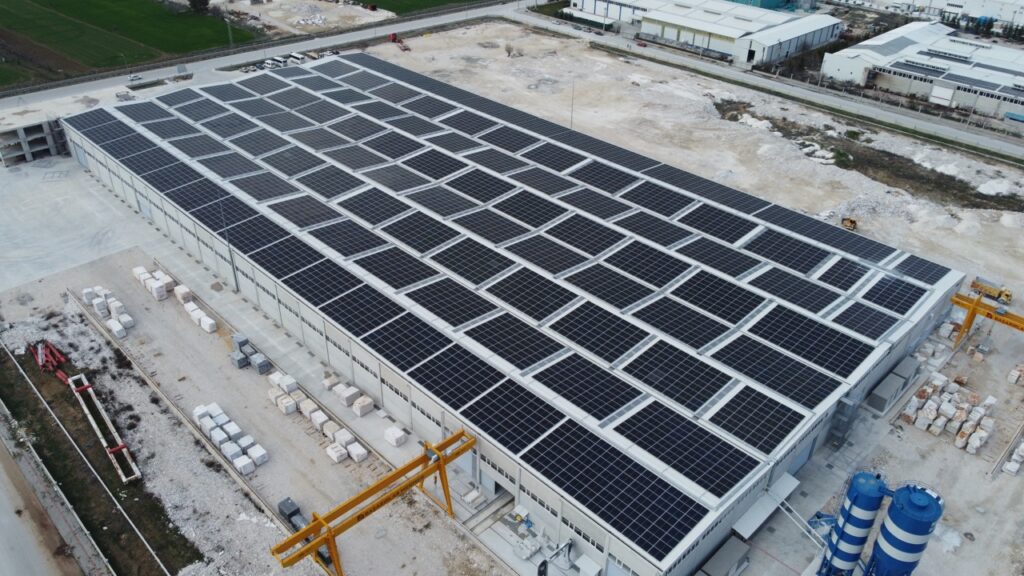
Solar enerji projelerinde galvanizli çelik

Is Galvanized Steel Mandatory in Solar Energy Projects?

Many professionals wonder if they must use galvanized steel in solar energy projects. In reality, steel profiles play a huge role in keeping solar facilities strong and efficient. Specifically, galvanized steel holds solar panels at the exact right angle. Additionally, this tough metal protects the panels from heavy snow and wind. As a result, the whole system stays strong and works well for many years.

Builders frequently prefer steel structures for both open land and roof projects. They construct these systems using steel profiles to support the solar panels. Because of the zinc coating, the metal actively fights off rust and harsh sunlight. Furthermore, this protective layer stops decay from outside weather. Consequently, facility owners can run these solar setups for decades. Overall, the frames need very little care and easily resist rust. These panels require little maintenance and exhibit corrosion resistance for many years.


solar-energy-project-galvanized-steel


Galvanized Steel Solar System

Clearly, Galvanized steel is vital for solar energy setups. Moreover, these profiles save money, so builders choose them often. As an added benefit, the support structures easily handle sun damage and tough weather. Manufacturers must pay close attention to how they make the steel and what extra materials they add. Ultimately, these production choices decide how long the structure will last.

Factories manufacture solar panel supports using galvanized steel. In fact, builders use steel most often for ground and roof mounts because it is so durable. Here are the main benefits of using galvanized steel for solar systems:

  • First, the galvanized coating makes the steel durable even in highly corrosive areas.

  • Secondly, the affordable price keeps overall project costs very low.

  • Third, the material strongly supports both the building structure and the solar panels.

  • Finally, steel protects the overall strength and energy output of the entire system.

In summary, using steel parts in solar projects offers huge benefits. Solar systems lead the way in modern energy production. Therefore, to make them last, you should build the system right the first time. Without a doubt, galvanized steel profiles remain your best option because they resist rust and work perfectly with solar panels.